Which cleaners are safe for leather, Alcantara and trim
Most of the interior damage we see did not come from wear. It came from a bottle: an all-purpose cleaner that stripped the finish, a wipe that dried the leather out, a glossy dressing that left a film. The rule is simple. The gentler the product, the safer your interior.
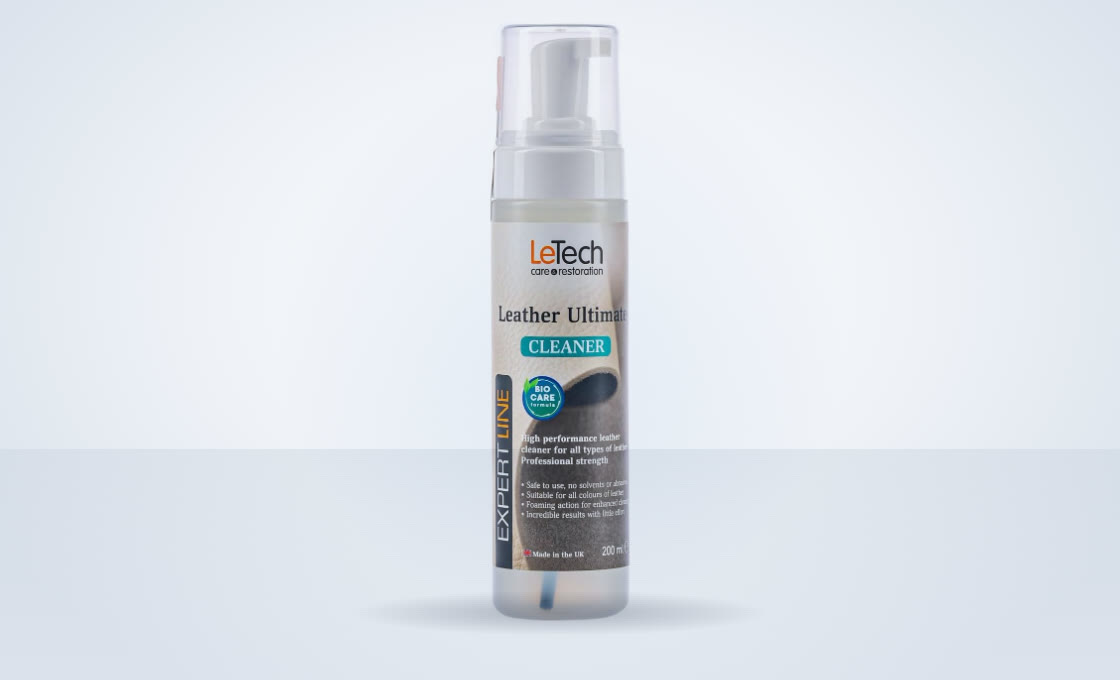
- pH-neutral cleaners only, applied with a soft brush or a microfiber towel.
- Every material has its own routine: leather, Alcantara, plastics and screens are not cleaned the same way.
- Test anything new on a hidden spot first.
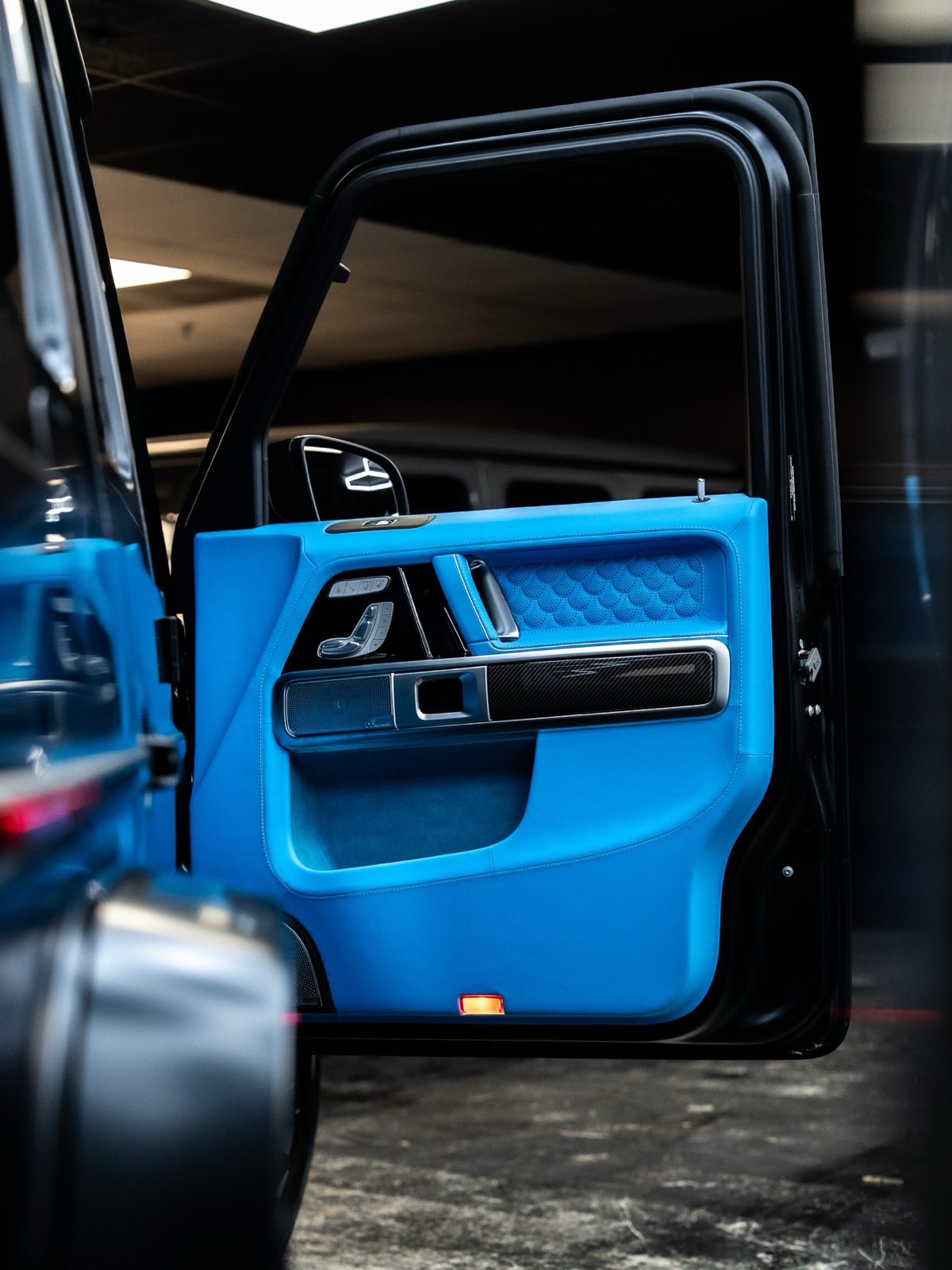
Material by material
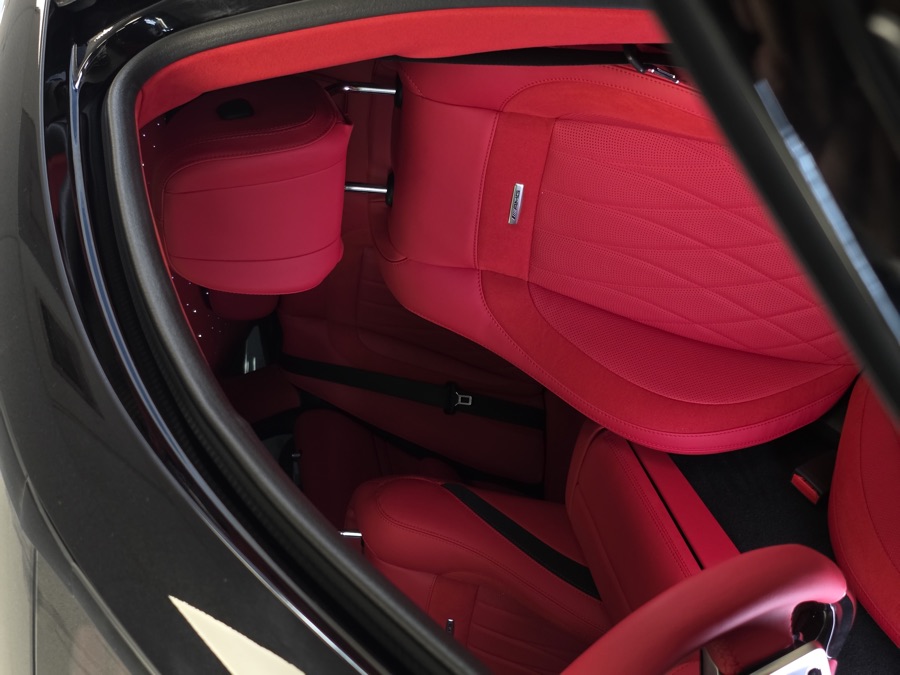
Smooth leather
UseA pH-neutral leather cleaner, a soft brush, microfiber towels. A water-based conditioner afterwards, a thin layer, a few times a year.
AvoidAll-purpose cleaners, degreasers, alcohol, baby wipes, melamine sponges, silicone dressings.
Perforated leather
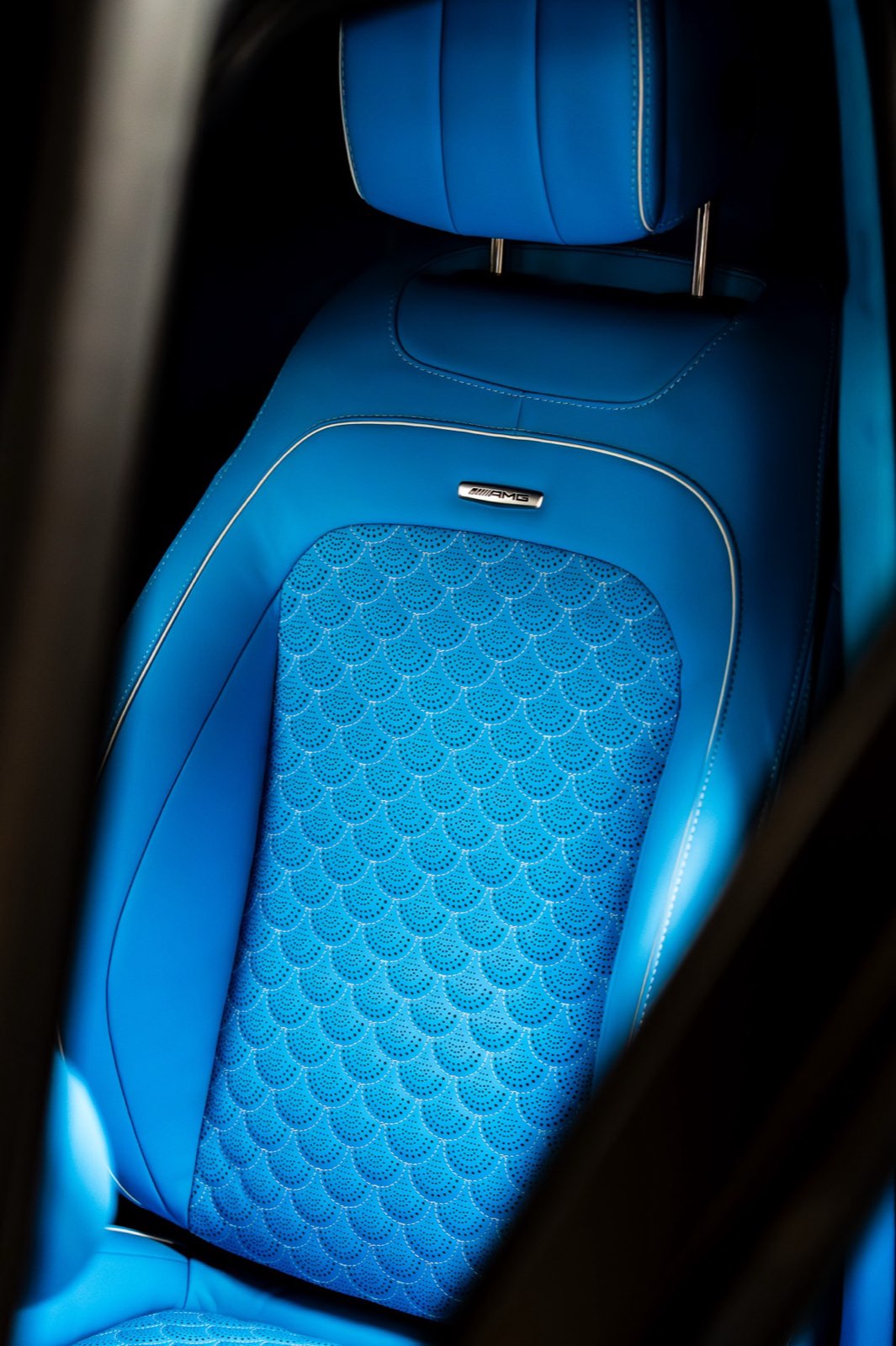
UseCleaner foamed on the brush first, then worked over the surface, so no liquid runs into the holes.
AvoidSpraying into the perforation, heavy creams that fill the holes.
Alcantara and microsuede
UseClean water or a cleaner made for microsuede, on a towel. A soft brush to lift the pile once dry.
AvoidLeather conditioner, soaking, heat to dry it faster.
Plastics and trim
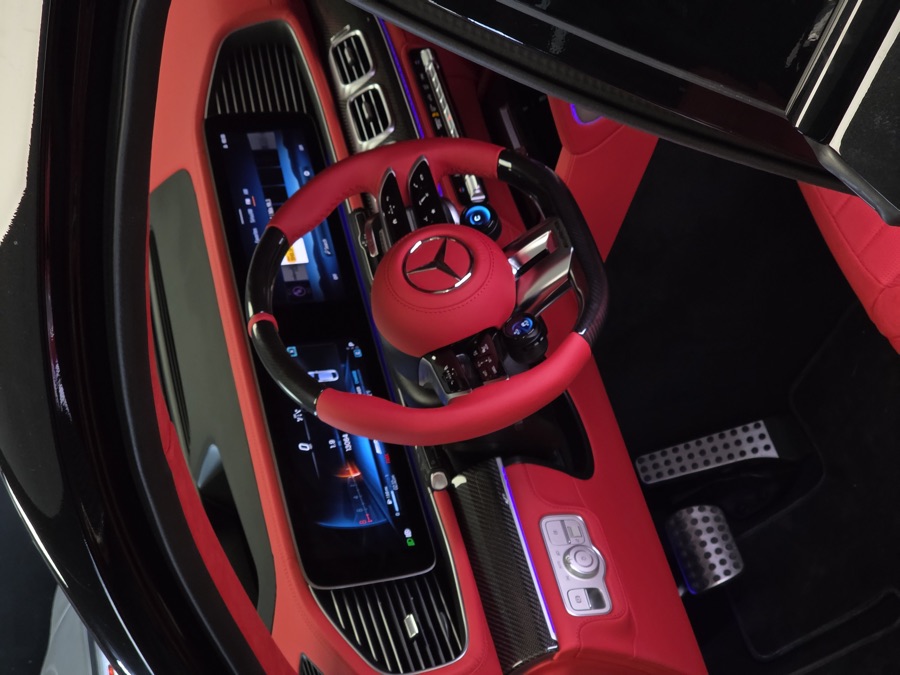
UseA mild interior cleaner and a matte protectant with UV filters.
AvoidGlossy dressings: they glare on the windshield and make grips slippery.
Piano black and screens
UseA clean, soft microfiber, a little water or a screen cleaner on the towel.
AvoidPaper towels and ammonia glass cleaners: they scratch and cloud the coating.
Headliner
UseA barely damp microfiber with a little mild cleaner, dabbed, not rubbed.
AvoidSoaking it: the glue behind the fabric lets go and the headliner starts to sag.
The one rule that saves interiors
Before you use anything new, try it on a spot nobody sees: under the seat, the back of the console, inside the glovebox lid. Wait until it dries. If the color or the sheen changes, it is not for your car.